
ORGANIZING THAT WORKS WITH YOUR BRAIN
ADHD & Neurodivergent-Friendly Organizing in New Hampshire
You don’t need to try harder. You may just need a system that asks less of you.
If you’ve repeatedly organized a space only to have it fall apart again, traditional systems may not fit the way your brain naturally functions.
ADHD and neurodivergence can affect working memory, decision-making, task initiation, follow-through, and how easily we remember things we can’t see. That can make seemingly simple organizing systems surprisingly difficult to maintain.
At Elevated Spaces, we don’t start with how your home is supposed to be organized. We start with how you actually live. Together, we’ll look for ways to reduce friction, simplify what you’re managing, and create realistic systems around your habits, routines, and needs.
Based in Concord, NH | Serving Central New Hampshire & surrounding areas
Why does staying organized feel so hard?
You may know what you want your home to feel like but struggle with figuring out how to get there—or how to keep it that way once you do.
Maybe you relate to some of these:
“If I can’t see it, I forget I have it.”
“I put things down instead of putting them away.”
“I don’t know where something should live.”
“I start organizing and get distracted halfway through.”
“There are so many decisions that I avoid starting.”
“I can get organized, but I can’t stay organized.”
“Putting things away feels like too many steps.”
“I’ve tried organizing systems before, but they never stick.”
These aren’t reasons you can’t be organized. They’re information we can use to create a system that works better for you.
Why traditional organizing systems don’t always work
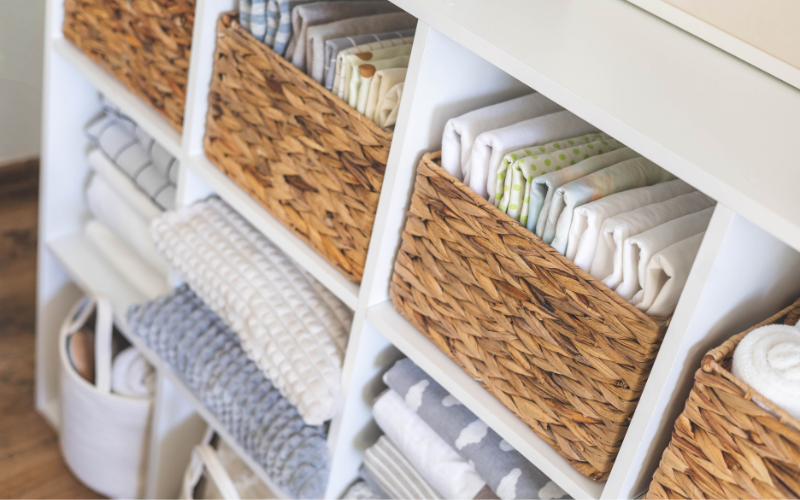
A beautiful container isn’t helpful if opening the lid becomes one extra step you never take.
A perfectly organized cabinet isn’t useful if you forget everything inside it exists.
And a system isn’t successful just because it looks organized on the day we finish.
A successful system is one you can realistically use during normal life.
Instead of starting with what an organized home is supposed to look like, we’ll pay attention to how you naturally use your space—where things get dropped, what you need to see, what you’re constantly searching for, and which steps make putting something away harder than it needs to be.
What ADHD-friendly organizing may look like

FEWER STEPS
Make frequently repeated tasks as easy as possible to complete.

VISIBLE & ACCESSIBLE
Use open, clear, labeled, or easy-to-access storage when seeing something helps you remember it.

NATURAL DROP ZONES
Create intentional homes where belongings already tend to land.

SIMPLER CATEGORIES
Avoid overly complicated systems that require too much thought to maintain.
REALISTIC ROUTINES
Connect small resets and organizing habits to routines already happening in your life.

EASIER RESETS
Create systems that can recover when things get messy—because real life happens.
We aren’t trying to make you better at maintaining a difficult system. We’re trying to make the system easier to maintain.

Learn the system—not just where things go
I don’t just organize your home for you. We work side by side so you can learn what works for you.
During our sessions, I’ll ask questions, explain why I’m recommending certain systems, and help you recognize patterns in the way you use your space.
Along the way, you’ll learn how to identify what’s creating friction, decide where belongings should live, simplify systems that have too many steps, create realistic reset routines, and recognize when a system needs to change.
These are organizing skills you can continue using throughout your home long after our sessions are finished.
The goal isn’t for you to always need an organizer. It’s for you to understand your home and yourself better so you feel more confident managing it.
WHY THIS APPROACH MATTERS TO ME
Different brains need different systems.
I’m neurodivergent myself, which has given me a personal understanding of how differently our brains can experience routines, clutter, decision-making, and everyday tasks.
I also bring my professional background in mental health and behavior to my organizing work. Together, those experiences have reinforced something I strongly believe:
There is no single right way to be organized.
I’m not here to make you conform to someone else’s system. I’m here to help you discover what makes everyday life easier for you.

You don’t need an ADHD diagnosis to work with me.
You may have ADHD, identify as neurodivergent, suspect your brain works a little differently, or simply have a long history of struggling with organization.
You may not relate to any of those labels at all.
If you’ve ever wondered:
“Why does keeping my home organized seem harder for me than it should?”
we can start there.
What matters isn’t a diagnosis. What matters is understanding what isn’t working and finding strategies that make everyday life easier.
Organizing designed around real life.
“I recently had the pleasure of working with Alyssa Corcoran, the founder of Elevated Spaces, and I can't express enough how transformative the experience was. Alyssa's expertise and compassionate approach turned my home into a more functional and serene space. When I mention hiring a professional organizer, people often ask if my house was extremely messy. The truth is, after four years of home renovations, things had simply gotten away from me. Coupled with my ADHD, I needed assistance to regain control and bring harmony back to my living spaces. Alyssa went above and beyond by taking away donations, including small furniture pieces and old electronics. This thoughtful service saved me time and effort, allowing me to focus on organizing. I wholeheartedly recommend Alyssa to anyone seeking to declutter and organize their home. Her professionalism, empathy, and practical solutions have made a lasting impact on my life.”
— Julie Q. from Sanbornton, NHWhat can we organize together?
KITCHENS & PANTRIES
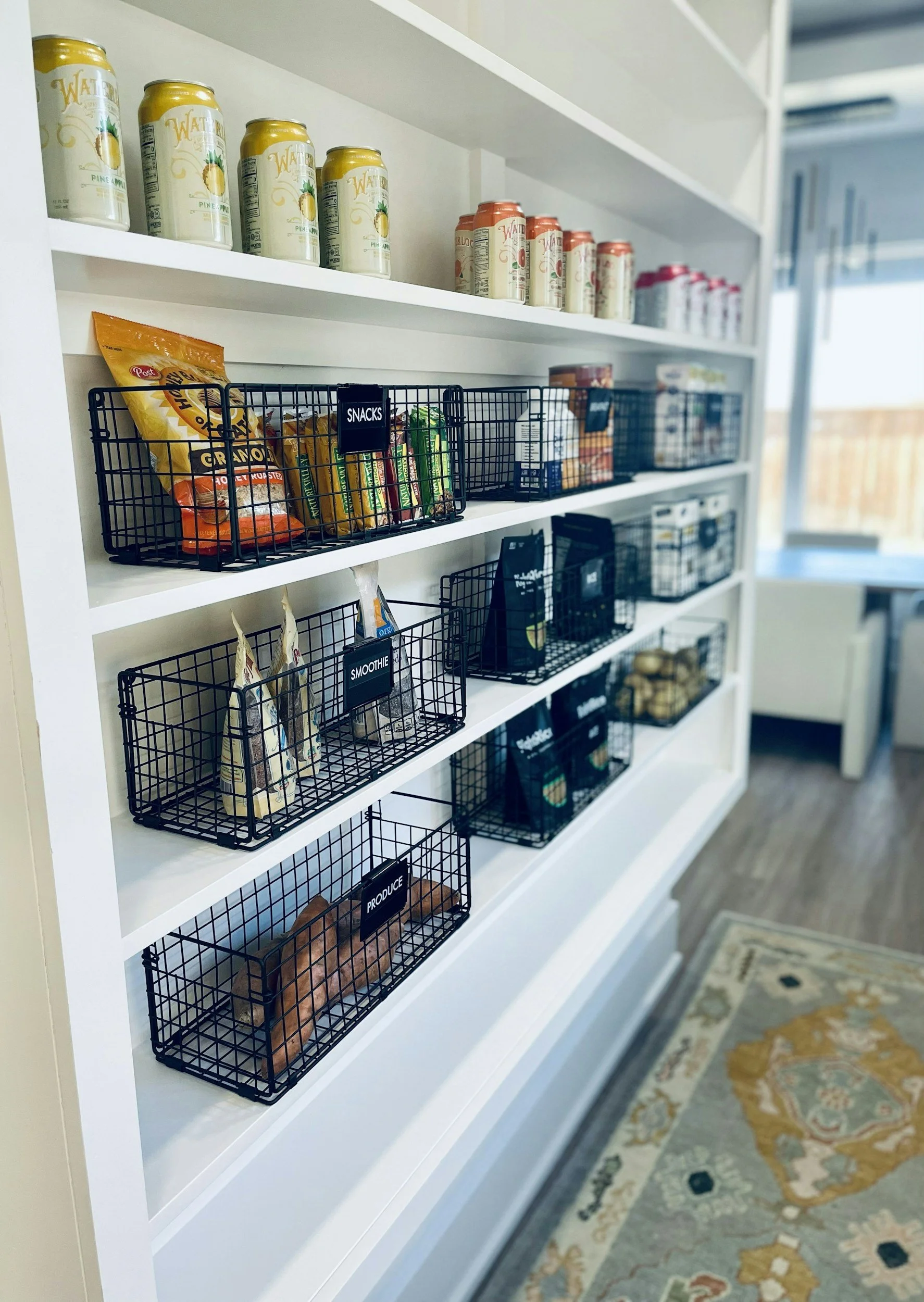
Create easy-to-see, easy-to-reset systems for everyday essentials.
CLOSETS & BEDROOMS
Simplify clothing and create realistic systems for getting dressed and putting things away.
PAPER & HOME ADMIN
Reduce paper piles and create systems for what needs action, filing, or removal.
ENTRYWAYS & DROP ZONES
Give everyday belongings obvious, convenient homes.
BASEMENTS & STORAGE
Simplify accumulated belongings and create categories you can actually find again.
WHOLE-HOME ORGANIZATION
Apply the same organizing principles throughout your home so systems feel consistent and intuitive.
We can start with one frustrating space or work toward making your entire home easier to manage.
What does getting started look like?
01 — DISCOVERY CALL
Let’s talk.
We'll spend 15 minutes discussing what's feeling difficult, what you'd like to change, and what kind of support you're looking for.
02 — ORGANIZING ASSESSMENT
Let’s understand what’s happening.
We'll walk through your space, talk about your routines and challenges, and identify where changes could have the greatest impact.
03 — ORGANIZING SESSIONS
Let’s make the change together.
We'll work side by side to declutter, create systems, experiment with solutions, and build skills you can continue using.
04 — MAINTAIN
Let’s make it last.
We'll talk about realistic routines and strategies for maintaining your systems—and how to adjust them when life changes.
Questions About ADHD-Friendly Organizing
-
No. You don't need any diagnosis to work with Elevated Spaces. We'll focus on your individual challenges, routines, habits, and goals.
-
No. Elevated Spaces works with individuals and families with many different needs. ADHD- and neurodivergent-friendly organizing is one part of my personalized approach.
-
That's useful information. We'll look at what you tried, what didn't work, and why so we can create something more realistic for you.
-
We'll work collaboratively. I can handle many of the physical aspects of organizing, but you'll be involved in decisions and creating systems so you understand them and can maintain them.
-
Yes. When multiple people use a space, we'll consider everyone's routines and needs rather than creating a system that depends on one person constantly maintaining it.
You don’t need a perfect home. You need a home that works for you.
If you're tired of putting energy into organizing systems that don't last, let's figure out what will.
Together, we'll create a home that takes less time, energy, and mental space to manage—and help you build the skills to keep it working.
Professional organizing based in Concord, NH | Serving Central New Hampshire & surrounding communities.