
Giving Experiences as Gifts Is the Best Way to Skip Holiday Clutter
Ever get a gift you didn’t want, didn’t need, or had absolutely no idea what to do with?
You unwrap it with a polite smile, genuinely appreciating the thought behind it, yet instantly wondering, “Where am I going to put this?” Maybe it’s a sweater that isn’t your style. A candle in a scent you’d never choose. A kitchen gadget you never asked for. A décor piece that doesn’t match anything you own. A gift set that feels like a repeat of the same one you got last year. You thank the person, you mean it, and then—because you don’t know what else to do—you tuck it away somewhere “for now.”
Time passes. You open your closet one day, see it shoved into a corner, and feel a flash of guilt. Not because the gift was bad, but because you haven’t used it. You don’t really want it. Yet you still feel responsible for it. So you leave it there, promising yourself you’ll deal with it later.
This happens to almost everyone. It’s the part of gift-giving nobody talks about: physical items can create emotional pressure.
And that pressure builds every year—especially around the holidays—when gifts come in rapid-fire from multiple directions. There are Secret Santa exchanges, workplace gift swaps, family expectations, friend groups, and that ever-present worry that you should show up with something even if you don’t know what to give. Most people end up buying something simply to have something to hand over. And those somethings almost always become clutter.
The truth is, physical gifts—even well-intentioned ones—often come with strings attached. They require space, decisions, storage, and emotional labor. Yet we rarely acknowledge that giving “stuff” can sometimes weigh people down more than it lifts them up.
But there’s another way to give that feels lighter, more joyful, and far more meaningful: gifting experiences.
Gifting experiences doesn’t add to someone’s clutter. It doesn’t become a chore. It doesn’t sit on a shelf. Instead, it gives someone a moment—something lived, something felt, something remembered long after the wrapping paper is gone. It gives the gift of joy without the burden of responsibility. It gives freedom instead of pressure. It gives connection instead of clutter.
And in a world where most people already feel overwhelmed by things, that kind of gift hits differently.
The Quiet Emotional Weight of Physical Gifts
Most people assume the stress around gifting comes from figuring out what to buy. But the stress doesn’t end there. It also shows up when the recipient gets something they aren’t sure what to do with. Physical items—even small, inexpensive ones—carry an unspoken expectation that the recipient will use them, keep them, or at least store them.

What people don’t acknowledge is how quickly those items can turn into emotional weight.
When you receive something you don’t want or can’t use, your mind immediately starts problem-solving. You wonder where it should go, whether you’ll ever use it, if it needs to be displayed, and whether the giver will notice if it disappears. Even deciding whether to donate it comes with guilt. And if you choose to store it “just in case,” it becomes another object taking up space in an already full home.
This is especially true for people who struggle with clutter, small spaces, ADHD, busy schedules, or simply the exhaustion of everyday life. Their homes often feel like an endless cycle of maintenance—cleaning, putting away, reorganizing, finding space for new things, keeping old things just in case. Adding more items, even well-meaning gifts, intensifies the overwhelm.
When someone’s home already feels crowded, a physical gift—no matter how thoughtful—can feel like another responsibility. Not because the person doesn’t appreciate the sentiment, but because they’re already stretched thin.
This is why people quietly dread receiving objects. Not because they dislike gifts, but because they dislike the feeling that comes afterward…the weight of more stuff they didn’t choose.
And this is exactly why gifting experiences is such a powerful alternative.
Why Gifting Experiences Feels Like Relief Instead of Responsibility
When you gift someone an experience rather than an object, the emotional reaction shifts immediately. Instead of that subtle panic about storage and guilt, gifting experiences creates a feeling of excitement. It gives someone something to look forward to—something that breaks up the routine of everyday life.
Anticipation itself is a source of happiness; psychologists even say the anticipation leading up to an experience can make people just as happy as the experience itself. The moment someone receives an experience, they instantly begin imagining the fun, the rest, the joy, the escape, the novelty, the connection.
And afterward? Experiences become stories. Memories. Bright spots in someone’s year. They imprint themselves in the mind far more deeply than objects ever could.
Think about it:
Do you remember every physical gift you received last year? Probably not. But you remember the weekend away you took months ago. You remember the class you tried with a friend. You remember the night you went to a show and laughed until your stomach hurt. You remember the break you didn’t know you needed.
Objects fade into the background.
Experiences stay alive.
Gifting experiences doesn’t add to someone’s mental load. It lightens it.
It doesn’t fill a home; it fills a moment.
It doesn’t become clutter; it becomes a memory.
Why People Rarely Treat Themselves—But Love When Others Do
One of the biggest reasons gifting experiences works so well is that most adults rarely give themselves permission to enjoy experiences. They’ll say they want to try something new, or that they desperately need a break, or that they’ve always wanted to take a certain class, but they never follow through. They tell themselves it’s not the right time. They feel guilty spending money on themselves. They put their families, their responsibilities, their schedules, and their tasks before their own enjoyment.
They wait for the moment when they’ll “finally have time,” but that moment almost never comes.
So when you gift an experience, you’re giving them something they truly want—something meaningful, something they’d never prioritize for themselves. You’re giving them permission to do something they crave but couldn't justify. That permission alone is sometimes the best gift of all.
Here Are Some Ideas for Gifting Experiences
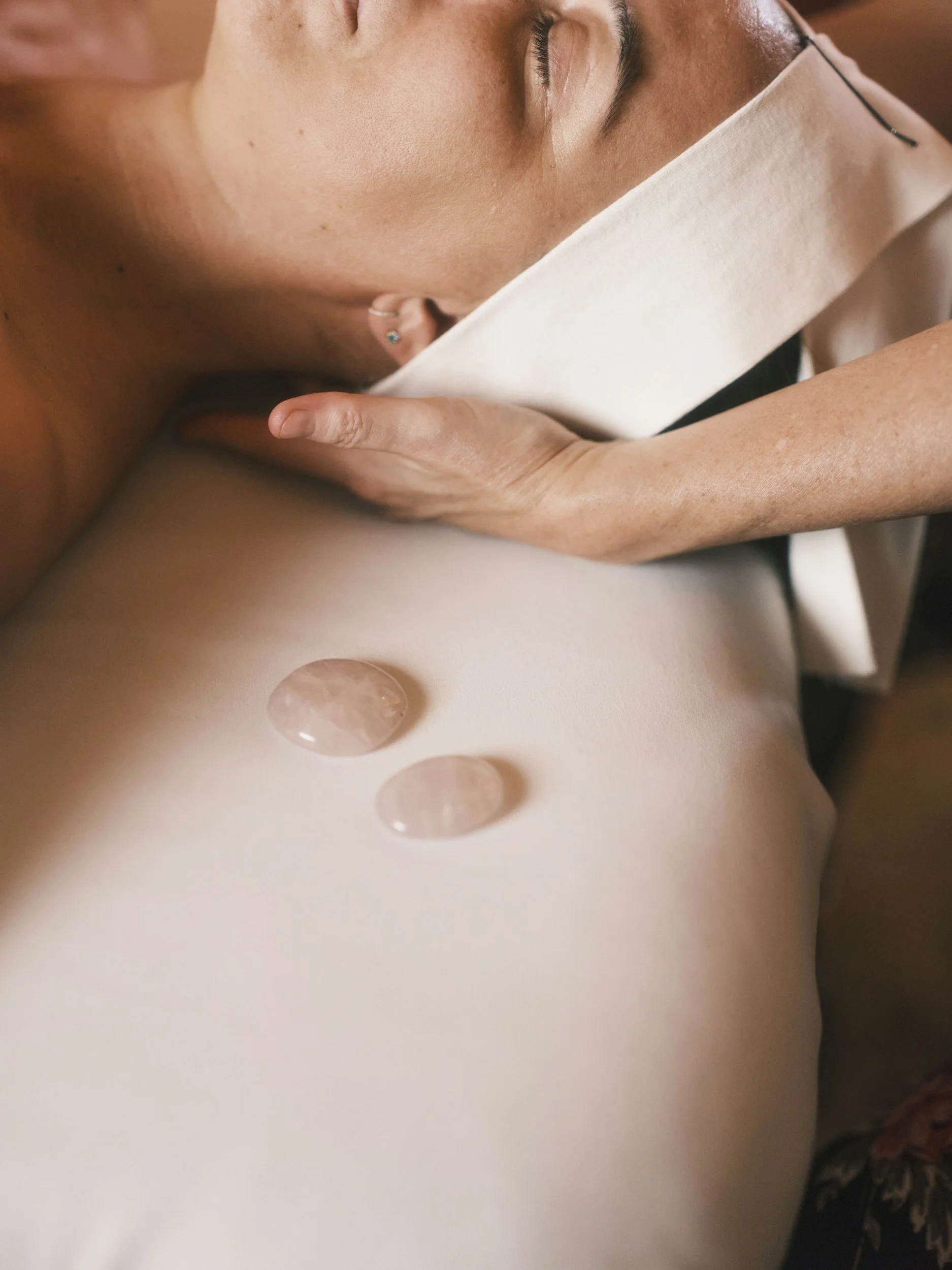
People often love the idea of gifting experiences but feel unsure where to start. They picture having to plan something elaborate or expensive, but the reality is far simpler. Gifting experiences can revolve around gentle, thoughtful categories—things like self-care, trying something new, entertainment or events, weekends or day-away escapes, or services that take something off someone’s plate.
These categories alone spark ideas because everyone fits into at least one of them. They allow you to tailor the experience to the person’s preferences, schedule, and lifestyle without overwhelming them or adding to their home. You don’t need to overthink it—just choose something that aligns with what they need more of: rest, fun, support, creativity, laughter, or quality time.
Instead of giving them something to store, you give them something to feel.
Children Don’t Need More Toys—They Need More Moments
One of the clearest examples of the difference between material gifts and experiential ones comes from children. Parents and relatives often feel pressure to give toys or physical items to make kids feel excited. But the excitement of toys fades fast. The novelty disappears. The item gets added to the pile.
But experiences? They stick.
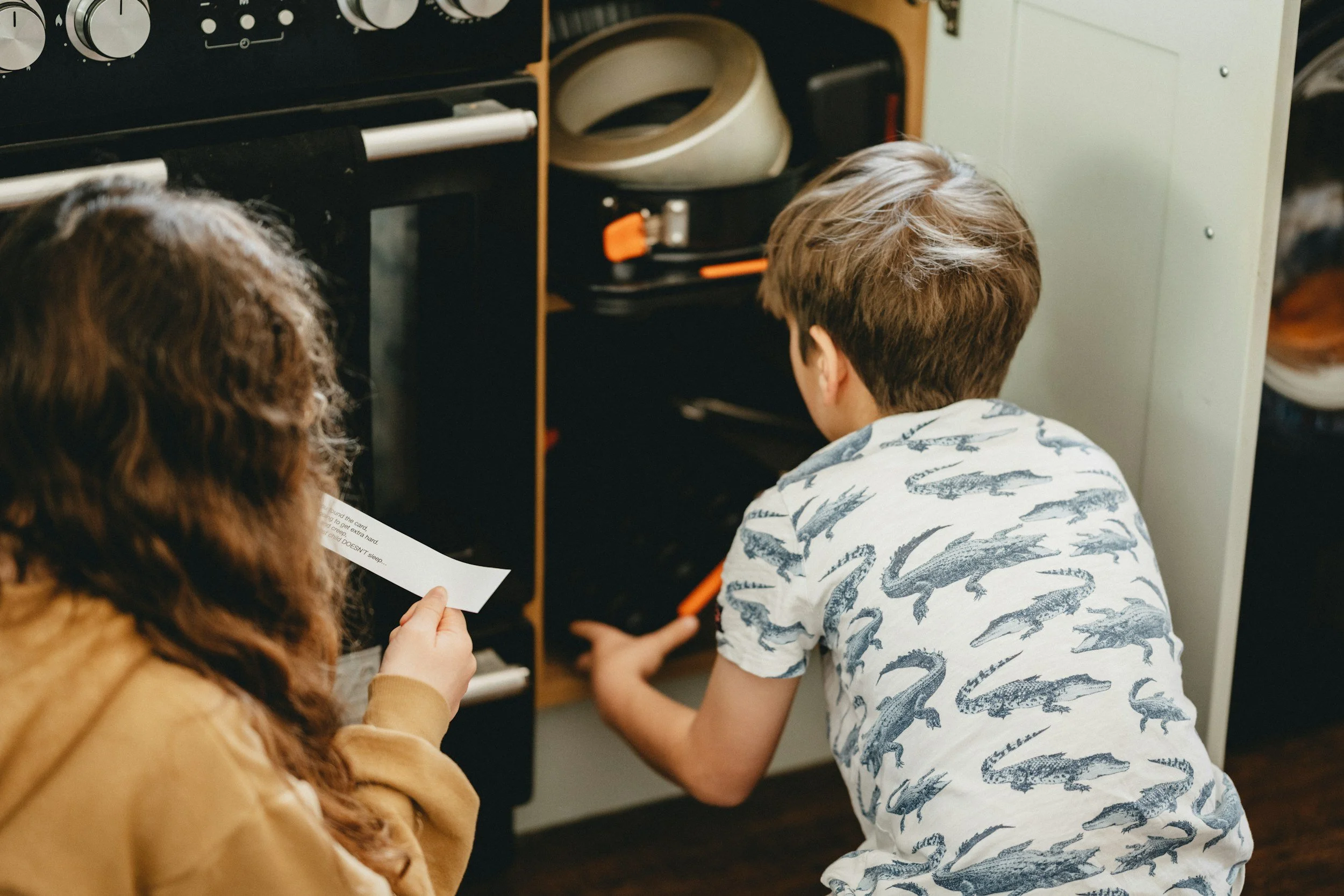
My nephew is the perfect example. Years ago, I started doing a Christmas scavenger hunt for him. It wasn’t extravagant—just clues, a little adventure, some running around the house, and the joy of figuring things out. Now, every single year, he looks at me with excitement and says, “There better be one next year.”
He doesn’t talk about the toys he’s received. Not one.
But the scavenger hunt? He remembers every detail. He remembers the adventure, the laughter, the twists and turns, the feeling of being part of something interactive and special.
Kids don’t need piles of plastic. They need engagement, connection, imagination, and fun. And honestly? Adults do too—we just forget to value those things for ourselves.
Gifting Experiences Makes Giving Easier for You, Too
Let’s be honest—buying gifts can be stressful. You don’t know what people already have. You don’t know what they actually want. You worry about choosing the wrong thing. You wander store aisles trying to convince yourself that the lotion set might be “good enough,” even though you know it’ll probably sit untouched.
Gifting experiences takes away all of that pressure. You’re not guessing sizes or colors. You’re not worrying about clutter or storage space. You’re not stressing about whether they already own it. You’re not stuck comparing products for something that doesn’t matter.
Instead, you get to give something intentional without overthinking. It becomes less about “finding the perfect thing” and more about “choosing something that will bring them joy.” That alone is enough to make gifting feel fun again.
Rethinking What a Gift Truly Is
Somewhere along the way, we started believing that gifts have to be tangible. That they need to be wrapped in paper. That the value is in what someone can physically hold.
But the truth is, the gifts people remember most aren’t the ones they store—they’re the ones they experience.
They’re the moments they lived.
The memories they made.
The unexpected adventure.
The much-needed rest.
The new skill learned.
The shared laughter.
The break from routine.
The feeling of being cared for.
Gifting experiences lets you give that kind of meaning. It lets you offer something someone can’t misplace, store, dust, hide, or feel obligated to keep. It gives them something they genuinely carry with them, not something they’ll eventually need to declutter.
Physical items eventually fade, break, get donated, or get lost. But experiences last. They become stories. They become parts of someone’s life journey.
So when you’re thinking about what to give this year, ask yourself:
Do I want to give something they’ll have to store… or something they’ll get to live?
Skip the objects that become responsibility.
Give the moments that become memories.
Give something they’ll never shove into a closet.
Give the experience—not the clutter.

Hi! I am Alyssa, and I love my job—I’m a professional home organizer in Concord, NH. I travel all around New Hampshire and beyond clearing clutter from people’s homes. No matter where you’re starting— I can help you. We can declutter, organizer, and give you systems to make sure you can meek it up once I’m gone.
Click HERE to schedule a complimentary consultation with me to talk about how we can make a gift certificate for home organizing to help a friend or family member feel peace and happiness and no stress in their home!